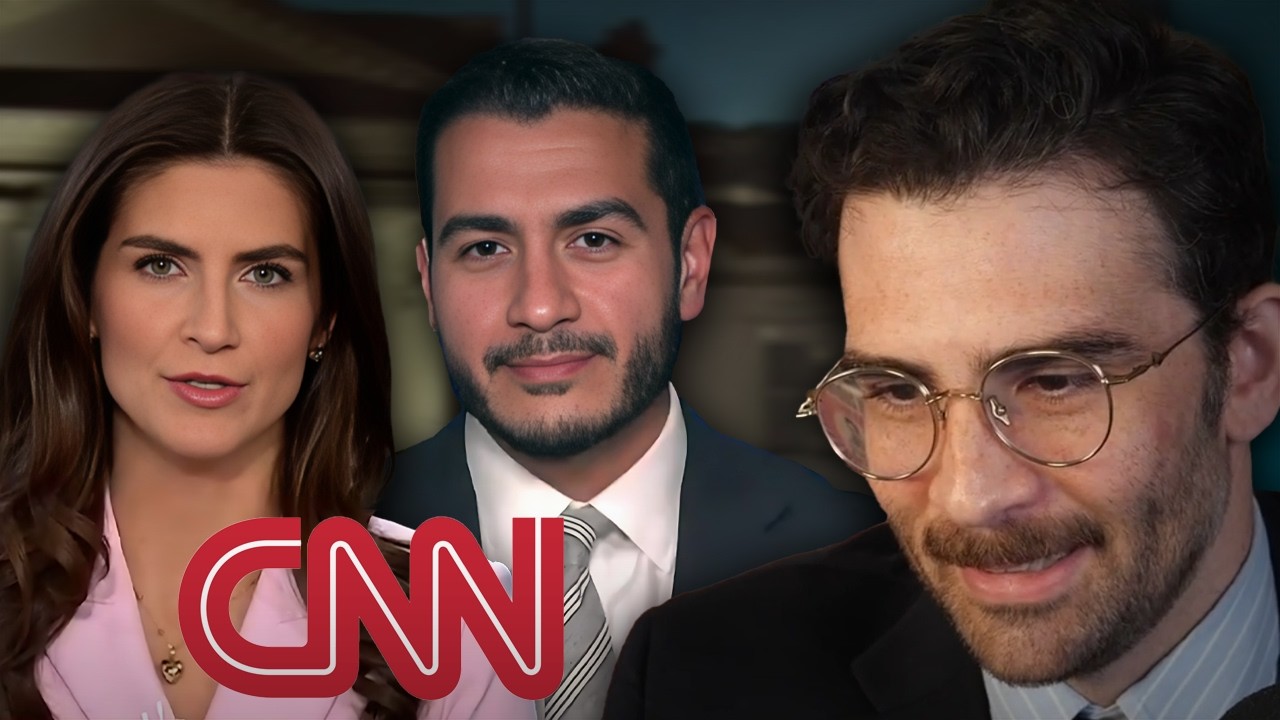
What happened in the CNN interview with Abdul El-Sayed?
Fresh off his victory in Michigan's Democratic Senate primary, Abdul El-Sayed sat down with CNN's Kaitlan Collins for a post-election interview. The conversation took an unexpected turn when Collins repeatedly pressed El-Sayed about his association with progressive political streamer Hasan Piker, host of the popular Twitch show HasanAbi.
El-Sayed, a physician and former Detroit health director, offered measured responses without directly condemning Piker. His answers suggested he views such questions as part of a broader pattern where progressive candidates face scrutiny over their media associations.
Who is Hasan Piker and why does this matter?
Hasan Piker has become one of the most influential progressive voices in digital media, with:
- 2.3 million YouTube subscribers
- Regular appearances on major political podcasts
- A daily Twitch stream averaging 30,000 concurrent viewers
His commentary often critiques mainstream media and Democratic establishment politics. While popular among young progressives, Piker's confrontational style has made him a lightning rod for controversy. This interview marks one of the first instances where a major political candidate has been pressed about association with an independent digital creator.
How is the internet reacting to the interview?
The interview has sparked intense debate across social platforms:
- Piker's community applauded El-Sayed for not disavowing the streamer
- Conservative commentators framed it as evidence of progressive extremism
- Media analysts noted the growing influence of digital creators in political discourse
Top comments on the YouTube upload included:
"Proud of Abdul for not throwing Hasan under the bus just to please CNN" "Corporate media still doesn't understand independent creators" "This is why we need more candidates like Abdul who get it"
What does this mean for the future of politics and digital media?
The El-Sayed interview signals a new phase in the intersection of politics and digital creator culture. As streamers and YouTuber commentators gain influence, their associations may become routine campaign talking points. For progressive candidates, this creates both opportunities to reach younger voters and challenges in maintaining broad electoral appeal. The 2026 midterms could see more candidates grappling with how to navigate these emerging digital allegiances while appealing to traditional voting blocs.