What Is Kalaya, and Why Is Everyone Talking About It Right Now?
If there is one restaurant defining the national conversation around Thai cuisine in 2026, it is Kalaya in Philadelphia. Chef-owner Chutatip "Nok" Suntaranon has turned her deeply personal vision of Southern Thai cooking into a full-blown cultural moment — earning the 2026 James Beard Award for Outstanding Restaurant, a Michelin Guide listing, a spot on the Time 100 Most Influential People list, and a Netflix Chef's Table feature, all within a remarkable run that has made her one of the most decorated chefs in the country.
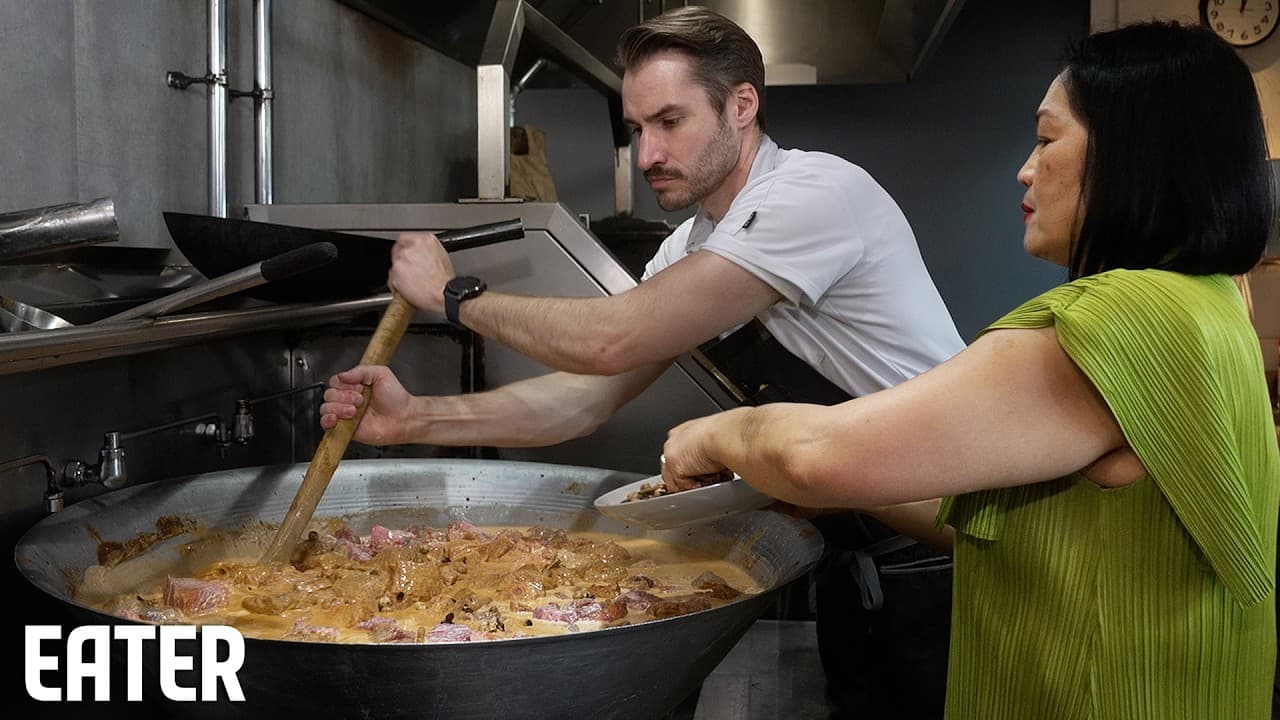
Eater's ongoing documentary series Mise En Place — which profiles the craft and discipline behind elite kitchens — went inside Kalaya's operation for its latest episode, published August 19, 2026. The result is a rare, intimate look at how Nok and her team translate childhood flavor memories from Southern Thailand into some of the most technically demanding food in America.
What Dishes Does Kalaya Actually Serve, and How Are They Made?
The episode does not shy away from the complexity hiding behind deceptively familiar dish names. The kitchen sequences are exhaustive and genuinely educational for food enthusiasts.
Here is what the episode covers dish by dish:
- Goong Thod Kluae (Wok-Fried River Prawn): Giant jumbo river prawns, sourced internationally, are prepped and fired in a screaming-hot wok. The plating is refined and architectural.
- Gaeng Massaman Nua (Beef Massaman Curry): A slow-built, spiced curry that Nok roots in Southern Thai tradition rather than the sweeter, more diluted versions common in Western Thai restaurants.
- Tom Yum Soup with Jumbo River Prawn: The episode's showpiece. The stock alone takes hours, and the finished soup — built around one of those enormous freshwater prawns — runs $98 per bowl on the menu.
- Kanom Jeeb Nok: Handmade bird-shaped dumplings named directly after Nok herself, requiring meticulous folding technique from the entire kitchen team.
- Tumis Pla (Pan-Seared Barramundi): The restaurant's newest dish, built around a whole barramundi broken down in-house and finished with bold, funky Southern Thai aromatics.
The preserved daikon radish preparation that briefly appears mid-episode has already taken on a life of its own in the comments — small detail, outsized reaction.
How Is the Internet Reacting to Kalaya and This Video?
The comment section is doing exactly what good food content always does: splitting viewers between deep admiration and sticker-shock skepticism.
"Thai Food the way it should be. btw that dish is $100.. keep it." — @ultimatesunrise (11 likes)
That comment, the most-liked in the thread, captures the central tension perfectly. There is genuine reverence for the cooking, but the price point is landing hard for viewers who associate Thai food with affordability and generosity.
"i really enjoy the energy of the kitchen and owner but $98 soup is the most un-Thai thing i've ever heard lol" — @zageri
For visitors who have actually made it through the door, the experience appears more nuanced. One commenter, @MrKhanhZ, shared a firsthand account that is worth reading in full:
"Had the opportunity to check this one out. The interior vibes are great, menu was overall solid, although wouldn't say taste and texture of every item was extraordinary imho, but prices were affordable given hype and owner even came out to chat up guests during dinner service."
That last detail — Nok personally working the dining room — tracks with her reputation as a deeply present, community-minded chef.
A separate thread of concern emerged around sustainability. @ObjectionIrrelevant raised a pointed question about whether sourcing 20,000 rare freshwater prawns per year from Southeast Asian river systems could have meaningful ecological consequences. It is a legitimate issue that neither the video nor Eater's coverage addresses directly — and one that premium restaurants sourcing hyper-specific wild-caught ingredients will face increasingly as scrutiny around supply chains intensifies.
Should You Visit Kalaya — or Is It Just Hype?
Kalaya is not a restaurant for everyone, and Nok would likely be the first to say so. The pricing reflects real costs: rare imported proteins, hours of skilled labor, and a culinary philosophy that refuses to make concessions for mainstream palatability. A $98 soup is a provocation as much as it is a menu item.
But the James Beard committee does not hand out Outstanding Restaurant awards to hype alone. The Mise En Place episode makes a compelling case that what Nok is executing in that Philadelphia kitchen is genuinely singular — rooted in lived experience, technically rigorous, and emotionally driven in a way that most fine dining never achieves.
For food-focused travelers, Kalaya belongs on the shortlist. For everyone else, the Eater documentary is, at minimum, some of the most engaging food television available right now.
With Nok's profile only growing — and her Netflix exposure continuing to funnel new audiences toward Philadelphia — Kalaya's waitlist and cultural footprint are almost certainly going to expand further into 2027. Whether the restaurant can scale its sourcing and staffing while preserving what makes it extraordinary will be the real story to watch.