What Exactly Happened With Markiplier and GoPro?
Markiplier — real name Mark Fischbach — has built a reputation for being one of YouTube's most authentically charismatic personalities. So when news broke that he had quietly amassed enough GoPro (GPRO) stock to become the company's largest individual shareholder, the internet's reaction was less 'scandal' and more bewildered, affectionate chaos.
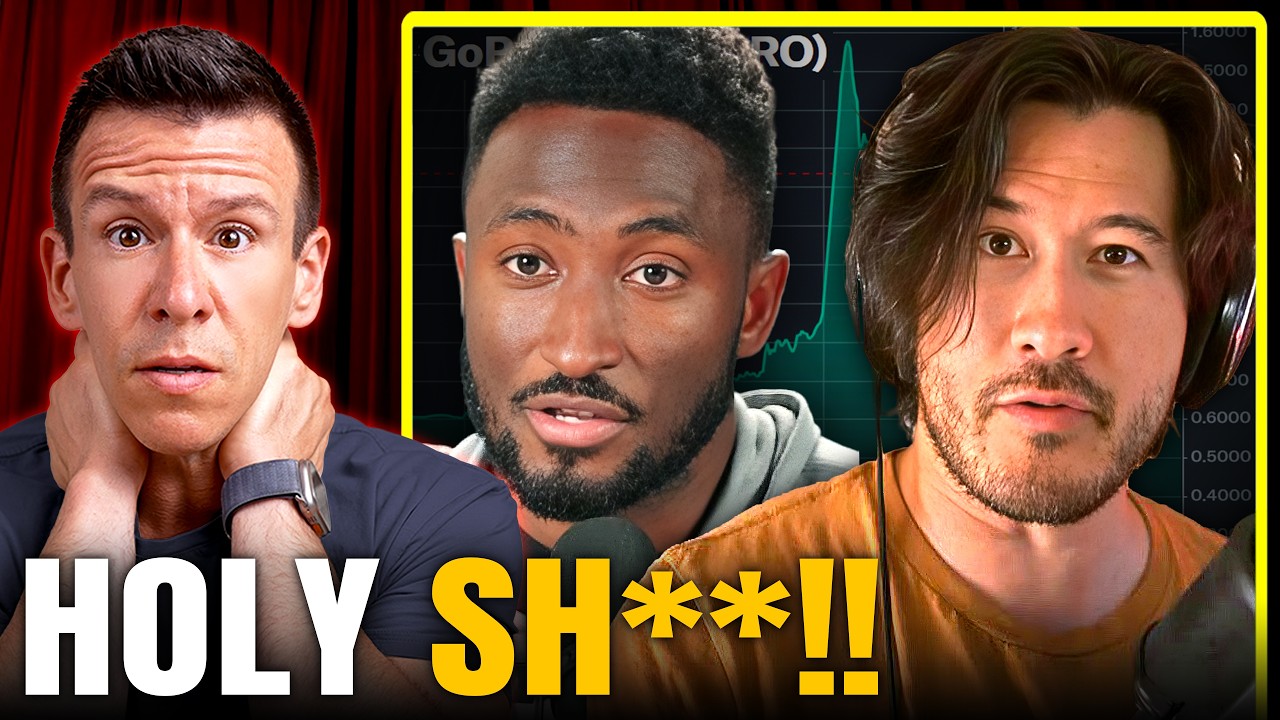
The story, picked up and dissected by Philip DeFranco on September 1, 2026, reveals a situation that is genuinely more layered than a simple headline suggests. Markiplier had been a vocal, enthusiastic GoPro advocate on his podcast Distractible for a long time before any financial relationship was publicly known. He consistently praised the brand without any formal sponsorship label — and it turns out, he was also steadily buying shares the entire time.
The core tension the DeFranco segment explores: when does genuine enthusiasm cross into a disclosure obligation? Markiplier's own lawyer, according to the coverage, appears confident he is in the clear legally. But the optics of praising a product to millions of followers while holding a major ownership stake — without explicitly flagging that relationship — is the kind of grey area that makes compliance experts nervous and fans ask questions.
Who Else Is Involved, and What Is the History Here?
The situation does not exist in a vacuum. MKBHD (Marques Brownlee) was name-dropped in DeFranco's segment — the thumbnail even carries his hashtag — apparently having weighed in on the Markiplier situation via social media. The community's response to that was sharp and immediate, with several commenters pointing to Brownlee's own controversial Panels wallpaper app launch as a reason to question whether he has standing to critique another creator's transparency.
One commenter referenced Linus Sebastian of Linus Tech Tips, noting that he has been openly a shareholder in hardware companies while continuing to cover them — and that the standard expectation for financial disclosure in creator content is far murkier than in traditional journalism or financial advising.
Markiplier's investment also carries a genuinely fascinating backstory. GoPro has struggled as a public company for years, facing pressure from smartphone camera improvements and cheaper competitors eating into its market. The fact that a major content creator chose to invest meaningfully in the brand — rather than take a typical paid sponsorship deal — is, as one analyst perspective shared in DeFranco's segment noted, potentially a signal about where value is heading as the AI hype cycle cools.
How Is the Internet Actually Reacting to This?
The comment section on DeFranco's video tells a story that mainstream coverage would likely miss: the overwhelming vibe is not outrage — it's delight.
"Markiplier accidentally becoming the largest shareholder in GoPro is one of the most Markiplier shenanigans I've heard." — @LurdFarquad
"As an avid viewer of Markiplier and especially his podcast Distractible, he does not shut up about GoPro! I think if people knew about how long he's been shilling for them for free it'd give more scope to this. He just decided to join at a good time, IMO." — @veryjollyuser5755
"Markiplier unintentionally speedrunning Wall Street." — @HolyWhisper-v7i
"The Kleenex of Action Cameras, The GoPro — I love his honesty." — @Bluemansonic
Not everyone is entirely uncritical. One commenter astutely flagged the Kodak problem with Markiplier's own branding logic:
"The problem with Mark saying GoPro is the Kleenex of cameras is that Kodak USED to be the Kodak of cameras." — @Cyfermax23
This is actually one of the sharper observations in the thread. GoPro is the dominant brand name in action cameras right now, but brand dominance in hardware is fragile — and the comparison cuts both ways.
The MKBHD subplot generated its own heat, with multiple viewers drawing unfavorable contrasts between Brownlee's past product decisions and Markiplier's approach:
"MKBHD sells you an app for wallpapers. Markiplier invests his own money in a product he believes in and makes videos about the product. How did Markiplier do anything wrong? He put his money where his mouth was." — @noneofyourbusiness1065
What Happens Next for Markiplier and GoPro?
Markiplier's position is unusual but not without precedent in the creator economy. The FTC's influencer disclosure guidelines are increasingly aggressive in 2026, and 'I'm a shareholder' is a financial relationship that sits awkwardly between traditional sponsorship and personal investment — both of which carry different disclosure thresholds.
If regulators or platforms decide to push for stricter standards around creator stock ownership disclosures, Markiplier's situation could become the case study that defines the new rules. His legal team reportedly believes he is protected, but 'probably fine legally' is not the same as 'industry best practice.'
GoPro, for its part, gains something money cannot buy: a shareholder who is also a mega-audience content creator with a genuine, years-long documented enthusiasm for the product. Whether the company formalizes that relationship into something more structured — a board seat, an official ambassador role — will be worth watching.
Virality Prediction: This story has the perfect cocktail of ingredients for a sustained internet news cycle — a beloved creator, a financial twist, a rival creator subplot, and enough genuine legal ambiguity to fuel think-pieces for days. Expect the discourse to peak across X/Twitter and Reddit's r/videos and r/LivestreamFail communities within the next 48 hours, with creator-focused YouTube commentary channels producing response videos through the coming weekend. The longer-term impact could reshape how the creator industry talks about financial disclosure standards heading into 2027.