What Exactly Did YouTube Do This Time — and Why Is Everyone So Angry?
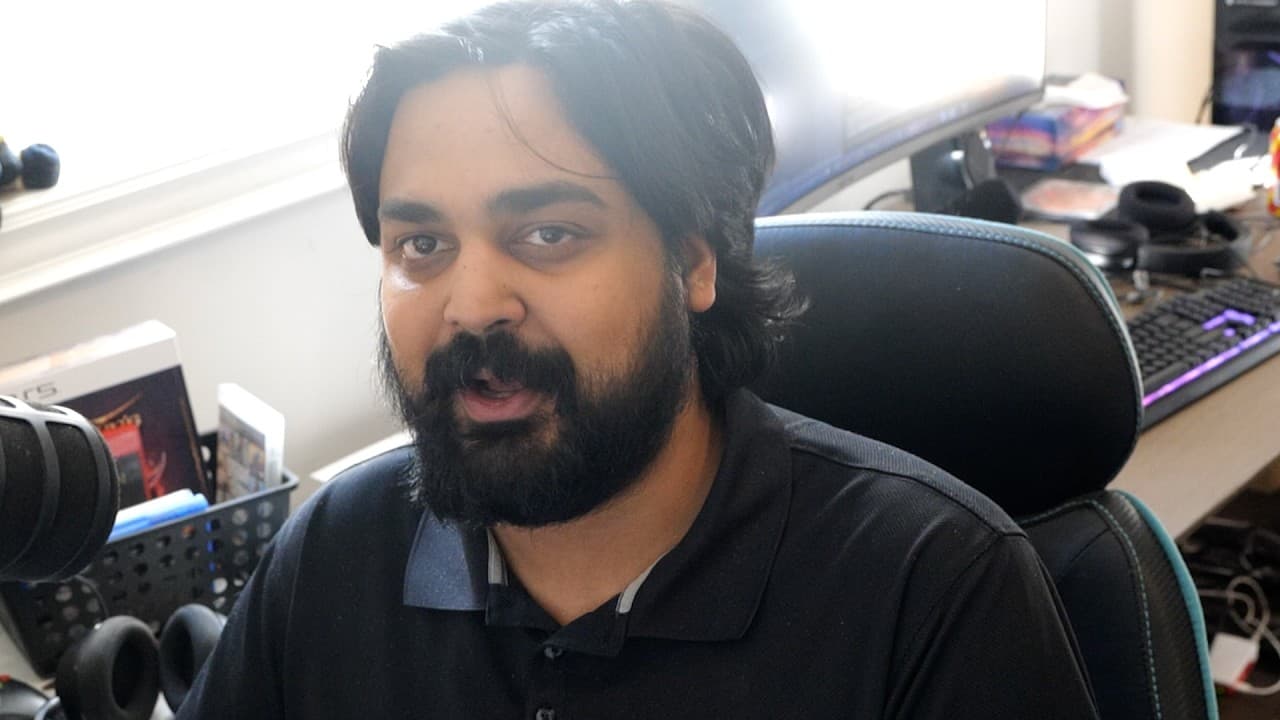
Mutahar Anas, better known online as SomeOrdinaryGamers, dropped a video on August 18, 2026, cataloguing a series of recent YouTube policy moves that he argues are self-defeating, inconsistent, and fundamentally disconnected from what both creators and viewers actually want.
The video, titled YouTube Is Making Terrible Decisions Lately..., arrives at a moment of peak frustration with the platform. Mutahar's core argument is blunt: YouTube keeps reaching for half-measures. The platform refuses to fully commit to either human editorial oversight or algorithmic automation, and the result is a series of decisions that manage to alienate everyone simultaneously.
Specific flashpoints he highlights include YouTube's contradictory approach to AI-generated content — penalizing creators for using AI tools while simultaneously allowing bot-generated view counts to inflate metrics — as well as the platform's continued suppression of public dislike data and an increasingly aggressive algorithmic push toward Shorts that many argue pollutes search results and buries long-form content.
Who Is Mutahar, and Why Does His Take Carry Weight?
Mutahar Anas has been a fixture of the YouTube commentary and internet culture space for well over a decade. His channel, SomeOrdinaryGamers, built its reputation on deep-dive internet investigations — dark web content, gaming breakdowns, and increasingly, sharp-eyed platform criticism.
His audience trusts him precisely because he isn't a rage-baiter. When Mutahar says something is broken, it tends to land differently than a typical hot-take channel, because he typically comes armed with evidence, context, and a measured delivery.
This video is also arriving during a period of growing scrutiny toward YouTube's current CEO, who took over following Susan Wojcicki's departure. As one commenter pointedly noted, nostalgia for Wojcicki's era — once unthinkable given how controversial she was — is now openly surfacing in comment sections across the platform.
How Is the Internet Reacting to Mutahar's YouTube Callout?
The comment section on this video reads less like a debate and more like a support group. The overwhelming consensus is that YouTube's decline isn't a recent phenomenon — it's a years-long slow burn that people have simply stopped being surprised by.
"They haven't made a good decision since 07" — @bravelotus (93 likes)
"Lately?" — @drrobotnik5265 (104 likes)
That one-word comment from @drrobotnik5265, pulling over 100 likes, is perhaps the most efficient summary of the community's mood. The word "lately" in the video's title struck many as generous.
"The only thing keeping me on YouTube are the people who produce content on it. If everyone switched to podcasting tomorrow, I'd never log onto it again." — @vrnvctss
"All roads lead to greed." — @Silhven (24 likes)
"YouTube is definitely recycling farts — I mean ideas. Yeah, ideas." — @vr6prodigy
The dislike removal came up repeatedly as a specific, concrete wound that still hasn't healed. @cazomsdragons2625 wrote at length about how the dislike button functioned as a form of community self-moderation — an organic trust signal that YouTube simply killed, arguably to protect brand channels and politically sensitive content from public accountability.
"YouTube had a good thing going, and I genuinely would've loved to be a fly on the wall for that conversation in their office when they were talking about removing it." — @cazomsdragons2625
The AI angle also drew sharp responses. @WolfTamer took direct aim at YouTube's reported statistic that 96% of AI tool usage on the platform is for "creative support," calling the framing laughable given the volume of AI-generated spam flooding the site.
"96% are using it for creative support. Ah yes. My favourite creative support: AI scams and content that makes even Wii shovelware look like masterpieces." — @WolfTamer
What Happens Next for YouTube — and Does Anyone Actually Have an Alternative?
This is where the conversation gets uncomfortable for everyone, including YouTube's harshest critics: there is no credible competitor.
@jimhalpert0's comment — "YouTube needs a competitor" — pulled 81 likes, reflecting a genuine market frustration. But wanting a competitor and having one are very different things. Platforms like Rumble, Odysee, and various podcast networks have chipped away at niches, but none have come close to replicating YouTube's scale for general long-form content.
Mutahar himself has acknowledged this structural trap before. Creators can't leave because their audiences are on YouTube. Audiences can't leave because their creators are on YouTube. The platform knows this, which may explain why its decision-making increasingly feels like it's testing the limits of that lock-in.
The more likely near-term flashpoint is regulatory. With AI content policies becoming a legislative priority across the EU and increasingly in U.S. congressional conversations, YouTube may soon face external pressure to clean up its recommendation and moderation inconsistencies in ways it has refused to self-impose. If that pressure arrives, videos like Mutahar's — which document specific, timestamped examples of platform dysfunction — become exactly the kind of primary source that regulators and journalists reach for. YouTube's window for self-correction may be narrowing faster than its product team realizes.